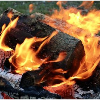
Montana Fish, Wildlife & Parks lands in Madison County are under Stage I fire restrictions, prohibiting campfires and open flames except in specific circumstances. The restrictions apply to fishing access sites, wildlife management areas, and state parks and remain in effect until further notice due to dry conditions and fire danger.
Forestry
FWP has implemented fire restrictions on lands in Granite, Mineral, and Powell Counties in west-central Montana, while Missoula and Ravalli Counties have lifted all restrictions. Stage 2 restrictions prohibit campfires, smoking in most areas, and internal combustion engine operation during peak hours, while Stage 1 allows only established fire grates.
Montana Fish, Wildlife & Parks lands in Jefferson County will implement Stage I fire restrictions beginning August 15, prohibiting campfires and open flames except in specific circumstances. The restrictions follow Jefferson County's lead and remain in effect until further notice due to dry conditions and fire danger.
Montana Fish, Wildlife & Parks lands in Granite and Mineral Counties will implement Stage 2 fire restrictions beginning August 13-14, prohibiting campfires, smoking in most areas, and operating internal combustion engines during peak hours to mitigate wildfire danger.
Montana Fish, Wildlife & Parks lands in Beaverhead County will implement Stage I fire restrictions beginning August 13. The restrictions prohibit campfires and open flames unless exempted, with limited smoking and cooking allowances. FWP urges recreators to exercise caution due to dry conditions and fire danger.
The U.S. Forest Service announced a consolidation of national wildfire management authorities under Deputy Chief Sarah Fisher, effective immediately. Forest Service Chief Tom Schultz delegated all fire and aviation authorities to strengthen operational efficiency, clarify reporting roles, and establish direct accountability for wildfire response and aviation operations across the agency.
Montana Fish, Wildlife & Parks implemented Stage 1 fire restrictions on all FWP-managed lands in Lake County beginning August 7, 2026, following similar restrictions by Lake County and the Confederated Salish and Kootenai Tribes. Campfires are prohibited except in designated steel fire grates at FWP sites.
Montana Fish, Wildlife & Parks has implemented Stage 1 fire restrictions at multiple Stillwater County sites, including Big Lake Wildlife Management Area and numerous fishing access sites. Campfires are prohibited unless exempted, and cooking is limited to liquid petroleum gas or propane stoves.
Montana Fish, Wildlife & Parks has implemented Stage 1 Fire Restrictions at fishing access sites and wildlife management areas in Phillips and Hill Counties starting August 7 due to dry, warm weather. Campfires are banned at specific locations, and smoking is prohibited except in enclosed vehicles or buildings.
BLM-managed lands in Kelly Canyon, Heise, and River Road Areas near Idaho Falls remain closed through August 16, 2026, due to ongoing Big Rock Fire suppression and repair activities. Trail closures including Cress Creek Nature Trail and Stinking Springs trail remain in effect for public and firefighter safety.
Montana Fish, Wildlife & Parks lands in Missoula and Ravalli Counties will implement Stage 2 fire restrictions beginning August 7, prohibiting campfires, smoking in most areas, and internal combustion engine operation from 1 p.m. to 1 a.m. daily.
Montana Fish, Wildlife & Parks lands in Ravalli County will implement Stage 2 fire restrictions beginning August 7, prohibiting campfires, smoking in most areas, and operating internal combustion engines from 1 p.m. to 1 a.m. daily. The restrictions apply to all FWP fishing access sites, wildlife management areas, and state parks in the county.
The Michigan Department of Natural Resources and partners including the Ruffed Grouse Society, American Woodcock Society, and National Wild Turkey Federation are seeking volunteers to plant native trees and shrubs and clear trails at Little Betsie GEMS on August 29. The event runs 9 a.m. to 1 p.m. with lunch provided.
The Wyoming Game and Fish Department has imposed an open fire ban on most Commission-owned and administered lands statewide due to extreme drought conditions and heightened fire danger. The ban applies to 45 Wildlife Habitat Management Areas and 199 Public Access Areas, prohibiting campfires, charcoal grills, and fireworks while allowing gas grills with proper fire suppression equipment.
Montana Fish, Wildlife & Parks implemented Stage 1 fire restrictions at multiple sites in Big Horn and Roosevelt counties beginning July 31, including Grant Marsh Wildlife Management Area, Arapooish FAS, Bighorn FAS, General Custer FAS, Grant Marsh FAS, Mallard's Landing FAS, Two Leggins FAS, Chief Plenty Coups State Park, Rosebud Battlefield State Park, Tongue River Reservoir State Park, Lewis and Clark FAS, and Roosevelt County Centennial Acre.
Montana Fish, Wildlife & Parks has implemented Stage 1 fire restrictions at multiple Richland County sites including Sidney Bridge Fishing Access Site, Diamond Willow FAS, Gartside Reservoir FAS, Elk Island FAS, Seven Sisters WMA, Snowden Bridge FAS, Culbertson Bridge FAS, and Fox Lake WMA due to extremely dry conditions. Campfires and smoking are prohibited except in specific circumstances.
The Michigan Department of Natural Resources advises watering young trees during hot, dry spells to prevent drought stress. Kevin Sayers, Urban and Community Forestry Program manager, recommends at least one inch of rain weekly and provides guidance on effective watering methods including soaker hoses, mulching, and proper timing to support tree health.
Michigan's Department of Natural Resources launched an interactive story map showcasing the state's 10 Forest Legacy projects, which protect over 238,000 acres across the northern Lower Peninsula and Upper Peninsula. The program, including the recent Michigamme Highlands conservation easement, preserves ecologically important forests while providing public recreational access and supporting sustainable forest management.
The Michigan Department of Agriculture and Rural Development administers the Qualified Forest Program, which offers tax exemptions to landowners who actively manage forests. Applications are due September 1, 2026, for the 2027 tax year. Eligible parcels must be at least 20 acres with a qualified forester's management plan.
The U.S. Forest Service and Department of the Interior announced new protections for federal wildland firefighters during the 2026 fire year, including expanded N95 respirator access, required training, and standardized decontamination protocols. Deputy Chief Sarah Fisher emphasized these practical measures will reduce respiratory health risks from smoke and airborne particle exposure.