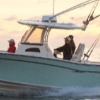
Public comment is now open to the Indiana Natural Resources Commission (NRC) for proposed changes to the state’s river otter trapping rules. If adopted, the changes would take effect this November for the 2024-25 river otter trapping season.
Regulation
NSSF is deeply critical of the Interim Final Rule published by Commerce Department’s Bureau of Industry and Security that cements the supposed 90-day firearm export “pause” into permanent policy and creates additional regulatory burdens. This rule entrenches their “whole of government” attack and is intended to hobble the firearm industry’s ability to compete in the international market under the false pretense of advancing U.S. national security.
NSSF rejects the U.S. Fish and Wildlife Service Final Rule that bans the use of traditional lead ammunition on eight National Wildlife Refuges and fishing tackle on seven NWRs in exchange for opening hunting and fishing opportunities on public lands. The announcement banning the use of traditional ammunition and fishing tackle is devoid of any scientific evidence that traditional ammunition causes detrimental population impacts.
Visit CSP’s Modern Fish Act Progress Report page to learn where the government is on track and where it is not, per this conservation group's interests.
Many of the places we love to ride bikes on public lands are currently closed to electric bicycles (e-bikes) because of laws governing how e-bikes are defined and managed. Federal agencies are required to draft regulations for the use of electric bicycles classified under the three-class system on public lands including the National Parks, Bureau of Land Management, Bureau of Reclamation, and Federal Fish and Wildlife.
This is a reminder that the current waiver for observer coverage in the fisheries listed below expires at 11:59 p.m. on Monday, May 4, 2020. Beginning at 12:00 a.m. on May 5th, observer coverage will again be required per existing regulations.
This final rule allows eligible historical captains the opportunity to replace their historical captain permits with standard federal charter/headboat for-hire permits for the reef fish and coastal migratory pelagic fisheries. An eligible captain is one that had a valid, non-expired, or renewable historical captain permit as of October 25, 2018.
Iowa's hunting and fishing regulations are not affected by the current COVID-19 health emergency in Iowa. Despite rumors on social media channels, the DNR has no plans to eliminate seasons, relax regulations or change license prices.
In a letter sent recently to Georgia Governor Brian Kemp, Boat Owners Association of The United States (BoatUS) urges the governor to reconsider regulations recently put in place restricting overnight anchoring within 1,000 feet of any structure, such as public and private docks, wharves, bridges, piers and pilings, except in areas near marinas.
The Indiana Department of Natural Resources has closed the river otter trapping season after reaching the statewide quota early Monday, Feb. 3.
As part of ongoing efforts to address conflicts between double-crested cormorants and wild and stocked fisheries, the Department of the Interior’s U.S. Fish and Wildlife Service (Service) is announcing an advance notice of proposed rulemaking (ANPR) and soliciting public input on future management options.
The U.S. Fish and Wildlife Service (USFWS) has announced that state wildlife agencies now may claim a dollar value of the NRA’s Free Online Hunter Education Course as in-kind match dollars to access federal Pittman-Robertson (P-R) grant funds.
The Gulf of Mexico Fishery Management Council took final action on Reef Fish Amendment 51, which considers establishing or revising gray snapper status determination criteria and modifying Annual Catch Limits.
Working jointly with the United States Forest Service (USFS) and AirMap, the national nonprofit Tread Lightly! has released a new print public service announcements (PSAs) and launched a campaign to educate drone users about designated fly zones over public lands.
USDA’s Risk Management Agency (RMA) has adjusted the 2019 final haying and grazing date from November 1 to September 1 to help farmers who were prevented from planting because of flooding and excess rainfall this spring.
The U.S. Fish and Wildlife Service released its three-year plan to propose removing 25 threatened or endangered species currently listed under the Endangered Species Act, including the delisting of species that are not yet recovered like the gray wolf in the Lower 48 States, Key deer and Canada lynx.
Due to the government shutdown, the NOAA Fisheries Southeast Region Permits Office is notifying permit holders of the continued validity of some permits, beyond the expiration date stated on the permits.
Temperatures around Michigan are dipping into the chillier numbers, with some regions seeing snow fly. If you're planning to camp or enjoy a bonfire, when it comes to firewood, please wait until you get to your destination to buy firewood locally.
The N.C. Wildlife Resources Commission has implemented a new rule for 2018-2019 prohibiting the importation of whole deer carcasses and restricting importation of specific carcass parts from anywhere outside of North Carolina in an effort to prevent the spread of Chronic Wasting Disease.
Biologists with the Utah Division of Wildlife Resources are recommending changes; if the changes are approved, you’d be allowed to use corn as bait at all of Utah’s fishing waters, keep more lake trout at Flaming Gorge Reservoir, enjoy a two-day possession limit statewide, and have a better chance at catching big channel catfish at Cutler Reservoir.