The Outdoor Wire

Wildlife

The U.S. Fish and Wildlife Service approved Utah's new Wildlife Action Plan on January 6, developed over three years with 35 conservation partners. The 10-year plan identifies 256 species of greatest conservation need and guides the Utah Division of Wildlife Resources and partners like Utah Wildlife Federation and Utah Hogle Zoo in addressing threats to native species through 2035.

Read Full Release →

The Ohio Department of Natural Resources Division of Wildlife counted 715 bald eagles during a midwinter citizen survey from January 7-21, receiving 391 separate reports. Ohio's bald eagle population has dramatically increased, with 964 active nests found in 2025 compared to 707 nests in 2020.

Read Full Release →

North Dakota Game and Fish Department's January midwinter waterfowl survey counted approximately 135,000 Canada geese and 9,500 mallards. Biologist Mason Ryckman noted that partial ice-free conditions on Lake Sakakawea allowed for 39,000-plus geese to be counted, though late November snow likely pushed some birds south before conditions improved.

Read Full Release →

Nine months after two cougar kittens were documented in the Upper Peninsula, a new trail camera photo indicates the elusive animals are still alive and living with their mother. The Michigan Department of Natural Resources verified the Dec. 6 photo of an adult cougar being followed by two kittens down a snowy trail in central Ontonagon County.

Read Full Release →

Beginning in early December, Idaho Fish and Game staff will take to the air to get a closer look at deer numbers, including several low-level helicopter surveys planned in the Salmon and Challis areas. The purpose is to gather abundance and herd composition information that helps game managers understand population numbers and trends.

Read Full Release →

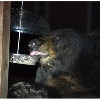
The Florida Fish and Wildlife Conservation Commission (FWC) is sharing the reminder that Florida’s black bears are more active in the fall as they search for food before winter. Following BearWise® practices such as securing garbage and removing food attractants can help prevent conflicts with bears, as well as with other wildlife.

Read Full Release →

Utah’s growing population and related urban expansion have increased the number of wildlife encounters across the state in recent years. If you do happen to see wildlife in your neighborhood or yard, you should always keep your distance for your own safety and for the safety of the animal.

Read Full Release →